Creating a healthier home environment often starts with what happens outside the walls of the house. A well-planned outdoor area can give families more room to relax, play, entertain, and spend time together while also supporting comfort, safety, and everyday convenience. Even small improvements can change how often people use their yards and how enjoyable those spaces feel throughout the year.
The most effective outdoor upgrades usually combine appearance with function. Thoughtful landscaping, reliable irrigation, clean recreational areas, safe walking surfaces, and shaded gathering spaces can all contribute to a yard that feels more inviting. Homeowners may also benefit from thinking about how each part of the property works together rather than treating every project as separate. A pool, deck, garden, patio, and lawn can all support the same goal when they are planned with the household’s routines in mind.
Improving an outdoor space does not require changing everything at once. Instead, families can focus on the areas that affect their comfort and daily use most, then build from there. The following ideas can help create a more functional, enjoyable, and wellness-focused outdoor environment.
Create a Backyard Layout That Encourages Daily Use
An outdoor area is more useful when its layout makes it easy for family members to move between activities. Instead of filling a yard with disconnected features, homeowners can create zones for dining, play, relaxation, gardening, and recreation. Clear pathways between these areas can help the space feel organized while reducing clutter and unnecessary obstacles.
Families with children may want open lawn space for games, while adults may prefer a shaded seating area for reading or conversation. A fire pit, outdoor kitchen, garden bed, or quiet corner can add variety without overwhelming the yard. The goal is to create a setting that gives everyone a reason to spend more time outside.
Professional landscaping companies can help homeowners organize these areas based on the property’s size, grading, sun exposure, and existing features. Their planning may include plant placement, walkways, drainage solutions, and gathering areas that make the yard easier to use. When the layout supports normal routines, outdoor time can become a natural part of family life rather than something that requires special planning.
Before making changes, homeowners can observe how the yard is currently used during mornings, afternoons, and evenings. Areas that stay empty may need shade, seating, lighting, or a clearer purpose. Paying attention to traffic patterns can also reveal where a new path, play area, or gathering zone would provide the greatest practical benefit.
Add a Pool Area That Supports Recreation and Relaxation
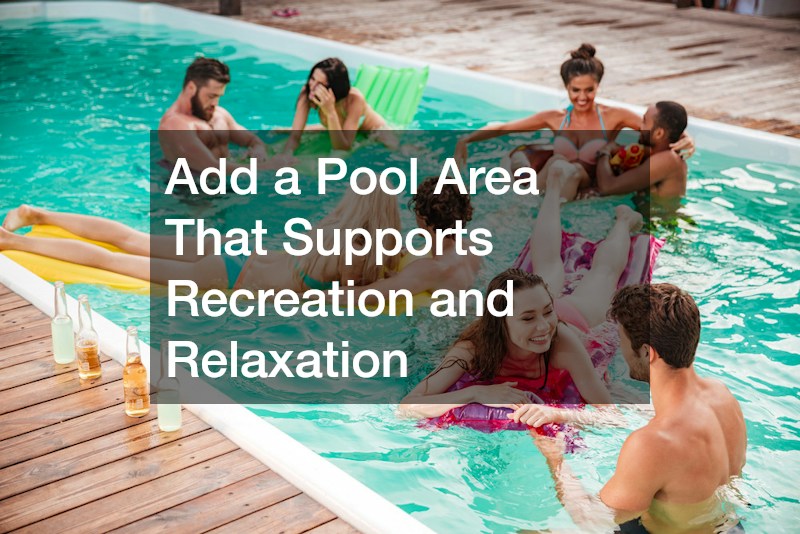
A swimming pool can serve as both a recreational feature and a place for relaxation. Families may use it for exercise, games, social gatherings, or simply cooling off during warm weather. The design of the pool area can influence how comfortable and accessible the space feels, especially when seating, shade, and safe walking surfaces are included.
Homeowners comparing local custom pool builders should think about more than pool size. The shape, depth, entry points, surrounding deck space, and relationship to the rest of the yard all matter. Families with younger children may want broad steps or shallow lounging areas, while households focused on exercise may prefer longer swim paths.
Freeform pool designers can create layouts that follow the natural shape of a yard and fit around landscaping or other structures. Experienced pool builders may also help coordinate features such as lighting, water elements, coping, and nearby seating. Once the pool is installed, regular maintenance remains important. Pool cleaning companies can help manage debris, water balance, filtration, and routine cleaning so the area stays ready for use and does not become another source of household stress.
The surrounding environment deserves equal attention. Slip-resistant surfaces, secure fencing where appropriate, convenient storage, and visible pathways can make the area easier for family members and guests to use. Thoughtful placement of furniture and recreational equipment can also preserve clear walking routes around the water and between nearby outdoor features.
Build Comfortable Spaces for Outdoor Gathering
Comfortable gathering areas can make a yard feel like an extension of the home. Families are more likely to eat outside, talk, play games, or host friends when there is a stable and inviting surface for furniture. Decks and patios can also reduce wear on lawn areas by creating designated places for tables, grills, and seating.
Composite decks are popular because they can provide a finished outdoor surface with less routine maintenance than many traditional wood options. They are available in a variety of textures and tones, which can help homeowners coordinate the deck with the house, pool area, or surrounding landscape. Because the material does not require the same regular staining schedule as wood, families may spend less time on upkeep and more time using the space.
Seating arrangements also matter. A combination of dining chairs, lounge seating, benches, and shaded areas can make the space useful for different activities. Homeowners may also consider lighting for evening use and storage for cushions, toys, or outdoor equipment. These practical details help create a cleaner, more organized environment that supports frequent family use.
Shade can make gathering areas more comfortable during hotter parts of the day. Pergolas, umbrellas, covered sections, or strategically placed trees can help create relief from direct sun. Families can also choose furnishings that are easy to clean and durable enough for frequent use, changing weather, and everyday activity.

Improve Safety by Managing Trees and Stumps
Trees can provide shade, privacy, and natural beauty, but damaged or poorly placed trees may create problems around a home. Dead limbs, unstable trunks, or roots near walkways can make outdoor areas harder to use safely. Regular inspections can help homeowners identify concerns before they interfere with the yard’s function.
Tree removals may be appropriate when a tree is dead, severely damaged, diseased, or positioned where it threatens nearby structures. Removing a tree can also open space for a new garden, patio, pool feature, or recreation area. However, the work should be approached carefully because large trees can be difficult and dangerous to remove without the right equipment.
After a tree is taken down, the remaining stump can still create an obstacle. Local stump grinding contractors can reduce or remove stumps that interfere with mowing, walking paths, landscaping, or future construction. Clearing these remnants can make the property easier to maintain and reduce awkward tripping hazards. Once the space is level, homeowners can replant grass, create a flower bed, extend a patio, or use the area for another outdoor feature.
Removing problem vegetation can also improve visibility and create a more open feeling around gathering areas. Before making major changes, homeowners may want to consider which healthy trees still provide valuable shade or screening. Selective removal can preserve the benefits of mature landscaping while addressing specific safety or maintenance concerns.
Use Hardscaping to Make the Yard More Functional
Hardscaping can help define outdoor spaces and make them easier to navigate in different weather conditions. Walkways, patios, retaining walls, steps, and edging can add structure while connecting major areas of the property. These elements are especially useful in yards where uneven grades, muddy areas, or heavy foot traffic make movement difficult.
Hardscape contractors can help homeowners choose materials and layouts that fit both the property and the intended use. A wide path between the house and pool may need a different surface than a decorative garden walkway. Similarly, a retaining wall may be necessary to manage elevation changes while also creating a place for planting beds or seating.
Good hardscape planning can also improve organization. Defined borders can keep mulch, gravel, and lawn areas separated, while paved gathering areas give furniture a stable foundation. Families may appreciate having cleaner routes through the yard after rain or during busy gatherings. By combining hard surfaces with greenery, homeowners can create an outdoor environment that feels polished without losing the comfort and natural character of the landscape.
Drainage should be considered alongside patios and walkways. Water that consistently collects near paved areas can create muddy edges, erosion, or slippery conditions. Grading, permeable materials, or strategically placed drainage features may help direct runoff more effectively and protect nearby planting areas from excessive water.
Keep Grass and Plants Healthy With Efficient Watering
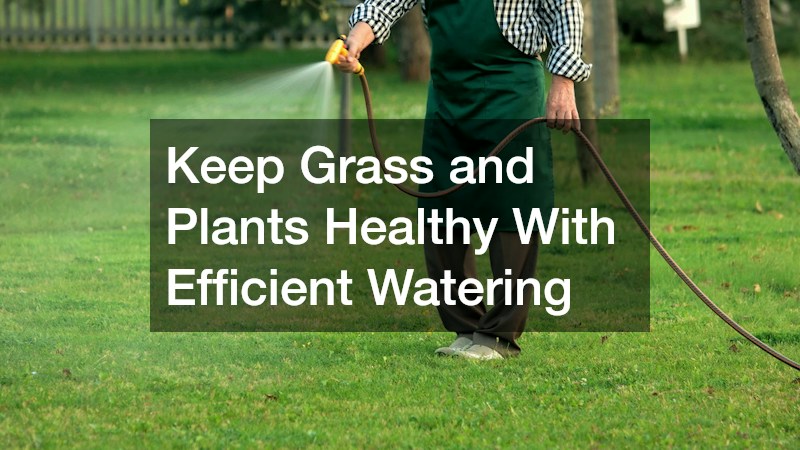
Healthy lawns and gardens can make a property feel more comfortable and welcoming, but maintaining them requires consistent watering. Hand watering can work for small spaces, but larger yards often benefit from a more dependable system. Proper watering also helps homeowners avoid some of the stress that comes with trying to maintain plants during hot or dry periods.
Lawn irrigation systems can distribute water across targeted areas based on the needs of the landscape. Different zones may be used for grass, shrubs, garden beds, or other plantings so that each area receives an appropriate amount of moisture. Timers and smart controls can also make watering more consistent and reduce the need for daily manual work.
Efficiency matters just as much as convenience. Poorly positioned sprinklers can waste water on driveways, sidewalks, fences, or buildings. Homeowners should periodically check sprinkler heads for leaks, misalignment, or damage. Adjusting watering schedules as seasons change can also help prevent overwatering. A well-maintained irrigation system supports healthier plants while making routine landscape care easier to manage.
Plant selection also affects watering needs. Grouping plants with similar moisture requirements can make irrigation zones easier to manage and may prevent some areas from receiving more water than necessary. Native or climate-appropriate plants may also fit well into a lower-maintenance landscape when selected for the property’s specific conditions.
Reduce Outdoor Clutter and Maintenance Burdens
A healthier outdoor environment is often easier to enjoy when it is not crowded with unused equipment, overgrown plants, broken furniture, or unnecessary debris. Clutter can reduce usable space and make routine maintenance feel more difficult. Periodic cleanup can help homeowners see which parts of the yard are working well and which areas need attention.
Storage is one of the simplest ways to improve organization. Weather-resistant boxes, sheds, wall hooks, and built-in benches can keep toys, gardening tools, pool supplies, and cushions out of the way when they are not being used. Keeping equipment in designated places also makes it easier to prepare the yard for gatherings or everyday play.
Maintenance planning can further reduce stress. Instead of waiting for multiple problems to build up, homeowners can create seasonal routines for trimming plants, cleaning surfaces, checking irrigation, inspecting trees, and caring for pool or deck areas. Professional services can be scheduled when needed, while smaller tasks can be handled gradually. A cleaner, more organized yard feels easier to use and may encourage family members to spend more time outdoors.
A maintenance calendar can divide larger responsibilities into manageable seasonal tasks. Spring may focus on cleanup and planting, summer on watering and pool care, autumn on leaves and pruning, and winter on inspections, repairs, or planning for future outdoor improvements.
Design the Space Around Long-Term Family Needs
Outdoor improvements are most valuable when they continue to work as a household changes. A yard designed only for one stage of life may become less useful over time, so it can help to think ahead. Families with young children may eventually need more space for older kids, while adults may later prefer easier access, lower-maintenance landscaping, or more comfortable seating.
Flexible design can make these transitions simpler. An open lawn can serve as a play area now and become a garden or seating zone later. A patio can support outdoor dining, exercise, or social events depending on how it is furnished. Features such as wide pathways, low-maintenance plants, durable surfaces, and good lighting can remain useful for many years.
Homeowners should also consider how different projects connect. Pool areas, decks, hardscapes, trees, irrigation, and landscaping all influence one another. Planning upgrades in a logical order can prevent unnecessary rework and help the finished space feel cohesive. By focusing on comfort, safety, maintenance, and flexibility, families can create an outdoor environment that supports healthier routines and enjoyable time together for years to come.