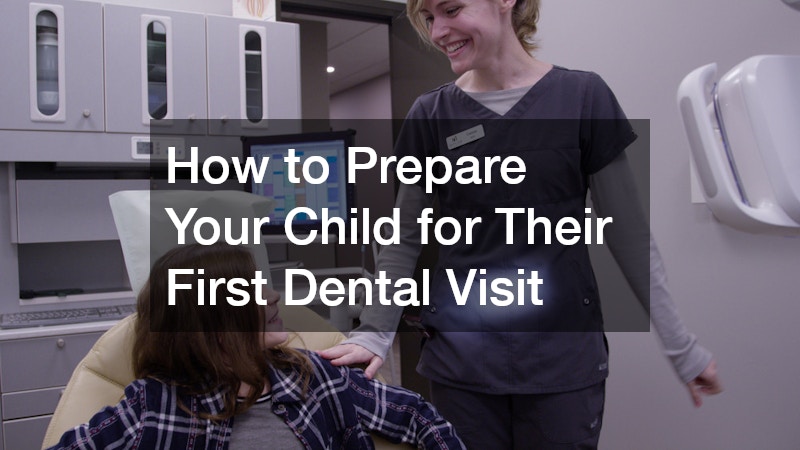
Taking your child to their first dental appointment can feel overwhelming for many parents. A positive first experience can shape their attitude toward oral care for years to come. By understanding the steps to prepare your child and knowing what to expect, you can make the visit enjoyable, stress-free, and educational.
Visiting the dentist early helps children see oral care as a normal part of life rather than something to fear. Creating a welcoming and informative experience builds trust between your child and the dental team. Children who feel comfortable during their first visit are more likely to continue regular checkups, which is crucial for preventing cavities, misalignment, and other dental issues.
Parents can also use this time to reinforce basic hygiene practices at home. Discussing brushing, flossing, and healthy eating habits with your child sets the stage for lifelong oral health. Preparing your child mentally and emotionally ensures that they associate dental care with positive experiences instead of anxiety.
Understanding the Importance of Oral Health Early On
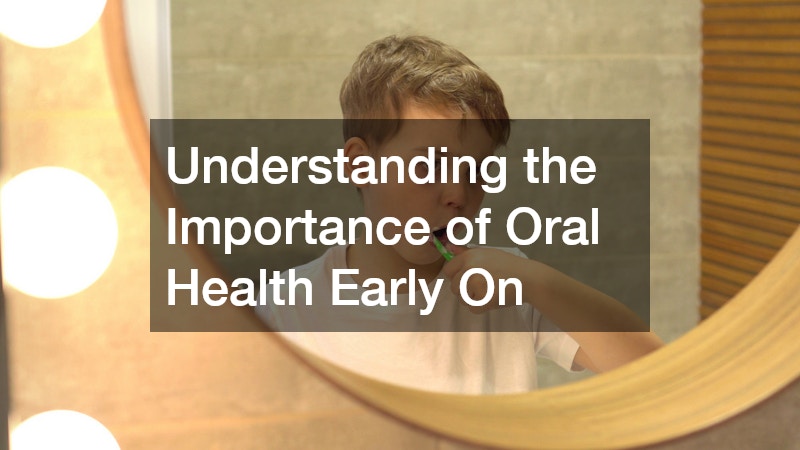
Introducing children to oral care at a young age is crucial for their overall health. Establishing good habits early can prevent cavities, gum disease, and other complications. Scheduling an appointment with a dentist familiar with children’s needs ensures your child receives proper guidance and care, setting the foundation for lifelong dental hygiene.
Early oral health also impacts other aspects of a child’s wellbeing. Poor dental hygiene can affect speech development, nutrition, and self-esteem. Regular checkups allow dentists to identify potential issues before they become serious, providing interventions tailored to your child’s age and dental development.
Parents play a vital role in shaping attitudes toward oral care. Modeling proper brushing techniques and showing enthusiasm for dental visits makes children more likely to follow suit. Discussing the benefits of strong teeth and healthy gums can make the experience educational and meaningful, reinforcing why the dentist’s guidance is essential.
Familiarizing Your Child with the Dental Office
Before the appointment, visit the clinic with your child if possible. Let them see the waiting room, meet the staff, and explore the equipment. This exposure reduces anxiety and builds familiarity with the environment.
A general dentistry practice that welcomes children often provides colorful, kid-friendly spaces and toys to make visits fun. Knowing what to expect can help children approach the appointment with curiosity rather than fear. It also allows parents to explain what will happen during the visit, reinforcing a sense of preparedness.
Familiarizing your child with the office environment also strengthens trust. When children recognize the friendly faces of the dental team and see that equipment is safe and non-threatening, they are more likely to cooperate during examinations. These small steps create a foundation for a lifetime of positive dental experiences.
Reading Books and Watching Videos About Dental Visits
Educational materials can help children understand what happens during a dental appointment. Picture books and videos tailored to young audiences describe dental procedures in a fun, non-threatening way.
Stories about dental care make abstract concepts more relatable. For example, books featuring characters who visit a cosmetic dentist for cleanings or smile enhancements can show children that dentists are friendly and helpful. These stories normalize dental visits and demonstrate the benefits of good oral hygiene in an approachable way.
Videos also provide a visual understanding of procedures. Watching a short, age-appropriate video before a real visit allows children to anticipate what will happen, reducing surprise and stress. Combining reading and video resources enhances comprehension and creates a multi-sensory learning experience that reinforces positive perceptions of dental care.
Role-Playing at Home

Simulating a dental visit at home is a proven technique to reduce fear. Use a toothbrush as a prop to “examine” your child’s teeth, or let your child practice being the dentist.
Role-playing allows children to explore the process in a safe environment. Discussing procedures like cleaning, X-rays, or checkups can prepare them for what to expect. Even introducing a story about dental implants in older children can teach them that dental care solves problems and improves overall oral health.
This technique also encourages communication. Children learn to express questions and concerns during play, which can translate to confidence during the real appointment. By practicing cooperation, sitting still, and opening their mouths on cue, children approach their first visit feeling competent and empowered.
Talking Openly About What to Expect
Honest but reassuring conversations can prevent surprises that cause anxiety. Explain that the dentist will count teeth, clean them, and may take X-rays. Keep the tone calm and positive to set expectations.
It is also helpful to share relatable experiences. Explaining how older siblings might benefit from treatments like Invisalign can demonstrate that dental care is a normal, ongoing process for children as they grow. This perspective helps normalize visits and shows the practical benefits of maintaining oral health.
Parents should answer questions patiently and emphasize that dental procedures are not painful. Using simple, clear language ensures children understand without feeling overwhelmed. By setting realistic expectations, parents can foster confidence and trust in the dental team.
Choosing the Right Professional for Your Child
Selecting a dental professional experienced with children makes a significant difference. Pediatric dental offices often specialize in creating a welcoming atmosphere and using gentle techniques tailored to young patients.
Booking an appointment with a pediatric dentist ensures your child receives age-appropriate care and education. Pediatric dentists are trained to handle different temperaments, communicate effectively with children, and manage fears, ensuring a smoother experience for both parents and children.
Additionally, choosing a child-friendly professional can make follow-up visits less intimidating. Familiarity with a specific pediatric dentist allows children to develop trust and comfort, promoting consistency in oral care routines. A positive relationship with a dental professional can influence attitudes toward oral health throughout life.
Establishing a Routine Before the Visit

A consistent oral care routine at home reinforces the importance of dental hygiene. Brushing twice a day, flossing, and using mouthwash can familiarize children with the steps the dentist will perform.
Creating a routine also builds confidence. Discussing how the clinic uses dental IT systems to track dental health can demonstrate that technology helps dentists provide precise and safe care. Children learn that consistent habits at home are reinforced by professionals who monitor progress.
Moreover, routines encourage responsibility. Children learn that daily care impacts the health of their teeth and gums, creating an early sense of accountability. When the routine is coupled with fun, such as brushing to a favorite song, oral care becomes a positive, enjoyable habit.
Rewarding Positive Behavior and Bravery
Acknowledging and celebrating your child’s bravery encourages positive reinforcement. After the appointment, praise their behavior enthusiastically and consider small rewards like stickers, extra storytime, or even a favorite healthy snack. These gestures show your child that their cooperation and courage are valued. Highlight specific behaviors, such as sitting still, opening their mouth for the dentist, or asking questions, to reinforce exactly what actions are appreciated. Recognizing these achievements helps children understand that their efforts make a difference and that dental visits can be positive experiences.
Rewarding children for cooperating during visits also reinforces that dental care is safe and rewarding. Explaining that dentists pursue continuing education for dental implants and other advanced skills can help children appreciate that dental professionals work hard to improve their expertise. This knowledge can inspire respect and trust while showing that dentists are dedicated to keeping patients healthy. Discussing these ideas in a way children can understand, such as comparing learning to practicing a sport or musical instrument, helps them see that even adults need to keep learning and improving.
Consistent recognition of positive behavior reduces fear for future appointments. When children see that their bravery is noticed and celebrated, they are more likely to approach subsequent visits with confidence. This reinforcement encourages a sense of pride and accomplishment. Parents can extend this encouragement by reviewing what went well after the visit, talking about the fun or interesting parts, and planning the next checkup as an exciting opportunity. Over time, this cycle of reinforcement strengthens both emotional resilience and oral health habits, making dental care a normal, comfortable part of life.
Adding additional follow-up rewards and acknowledgment also helps maintain motivation. For example, creating a small chart or sticker system at home to track successful visits encourages children to take ownership of their dental health. They can see their progress visually and feel motivated to continue positive behaviors. By combining praise, rewards, and reflection, parents help their children develop a healthy attitude toward dental care that lasts into adulthood.
Encouraging Questions and Interaction
Allow your child to ask questions during the appointment and respond patiently. Active participation helps them feel empowered and reduces anxiety. Encourage your child to voice even small concerns, such as “Will it hurt?” or “What is that tool for?” Answering with honesty and reassurance helps them feel respected and builds trust. You can also suggest that they ask the dental hygienist to show them how the tools work on a model or on a stuffed animal. This hands-on approach makes the experience interactive and less intimidating.
Encouraging curiosity supports confidence and understanding. Linking discussions about oral health to child development concepts shows children that learning about their bodies is part of growing up and taking responsibility. For example, you can explain that healthy teeth help them chew properly, speak clearly, and smile confidently, as these are all important skills as they grow. Children also learn that caring for their teeth is an important part of being independent, which reinforces positive behaviors at home. Incorporating stories, demonstrations, or even simple comparisons, like brushing being similar to taking care of their favorite toy, helps them connect oral care to everyday life.
Open interaction also allows the dentist to identify fears, misconceptions, or areas where your child may need extra guidance. Some children may be anxious about tools, sounds, or sensations they haven’t experienced before. By letting them ask questions and giving honest, age-appropriate answers, the dentist can tailor the visit to their comfort level. Children who feel heard and involved are more likely to cooperate, maintain good oral hygiene habits, and develop a sense of ownership over their dental health. When appointments are collaborative rather than intimidating, children associate dental care with learning, empowerment, and safety rather than fear or discomfort.
Additionally, encouraging dialogue fosters communication skills and emotional intelligence. Children learn that it’s okay to express feelings, ask for clarification, and seek help when they are unsure. This skill not only applies to dental visits but also to other healthcare experiences and school situations. Parents can reinforce this by praising questions, celebrating curiosity, and following up after the visit to review what was learned. Over time, these positive experiences create a foundation for lifelong comfort with dental care and personal responsibility for oral health.
Planning Follow-Up Care

After the first visit, maintain a consistent schedule for dental checkups. Discuss preventive care, diet, and habits that protect teeth. Early follow-ups instill the importance of oral health routines.
Parents may consider exploring services offered by an orthodontist if recommended, ensuring that children’s teeth align properly and that preventative measures are in place for future dental health. Introducing children to orthodontic care early can normalize treatment like braces or aligners when the time comes.
Planning for follow-up care also creates long-term benefits. Regular visits allow the dentist to monitor progress, reinforce oral hygiene habits, and prevent issues before they require invasive treatments. Children learn that dental care is an ongoing part of staying healthy.
Preparing your child for their first dental visit requires thoughtful planning, patience, and support. By familiarizing your child with the office, role-playing at home, establishing routines, and engaging in open communication, parents can create a positive experience that encourages lifelong oral health.
Choosing the right professionals, recognizing bravery, and scheduling regular follow-ups reinforce the importance of dental care in everyday life. Each small step, from introducing a pediatric dentist to exploring preventive treatments, helps children gain confidence and comfort with dental visits.
By investing in these strategies, you ensure that your child’s journey with dental care begins positively and sets the stage for a lifetime of healthy smiles. A thoughtful approach to preparation now will make future dental experiences easier, educational, and enjoyable for your child.