
Healthy living involves more than scheduling an occasional checkup or making changes to a daily routine. Families also benefit from services that support emotional well-being, physical movement, preventive care, and the ability to manage everyday tasks. Those needs evolve as children grow, adults balance competing responsibilities, and older relatives navigate changes in their health or mobility.
Building a practical support system begins with understanding which services address specific concerns. Some professionals focus on early development, while others help people recover from injuries, maintain oral health, or make their homes easier to navigate. Choosing appropriate support can prevent small challenges from becoming unnecessary barriers to participation in family life. The following services illustrate how a coordinated approach can help people of different ages feel more comfortable, capable, and involved in the activities that matter to them.
Supporting Children’s Growth Through Early Development Services
Early childhood brings rapid learning as children build communication skills, develop relationships, and discover how to interact with their surroundings. Families can encourage child development through everyday experiences such as reading together, playing outdoors, sharing meals, and providing opportunities for creative expression. Consistent routines and age-appropriate challenges give children room to practice independence while knowing that support is available.
Not every child reaches milestones at the same pace. When caregivers notice ongoing difficulties with speech, movement, attention, or social interaction, a pediatric professional can help determine whether an evaluation would be useful. Early intervention programs, speech-language therapists, and occupational therapists may offer targeted activities for specific developmental needs. These services aren’t intended to make every child follow the same path; they provide tools that fit each child’s abilities and circumstances.
Parents and caregivers also play an important role in reinforcing new skills between appointments. A therapist might suggest simple games that strengthen coordination, while a preschool teacher may recommend activities that encourage sharing or following directions. Keeping communication open among family members, educators, and healthcare professionals helps everyone recognize progress and adjust expectations. Small achievements, celebrated consistently, can build confidence that carries into school and other parts of life. For busy households, libraries, community centers, and supervised group activities can also provide affordable opportunities to explore new interests alongside other children.

Making Oral Healthcare a Family Priority
Oral health influences comfort, nutrition, speech, and the confidence to interact with others. Regular brushing, flossing, and appropriate dental visits help people address problems before they interfere with daily activities. Families looking for a local dentist can consider practical details such as appointment availability, accessibility, preventive services, and whether the office treats patients across different age groups.
Children may need guidance with brushing techniques, while teenagers might have questions about orthodontic care or sports mouthguards. Adults sometimes require treatment for cavities, gum concerns, or worn teeth. Consistent household dental habits make appointments a normal part of maintaining health rather than something reserved for emergencies. Caregivers can help by modeling good routines and encouraging family members to mention discomfort promptly.
Older adults may face additional considerations, including dry mouth, missing teeth, or difficulty handling dental appliances. For some people, denture services can involve evaluating fit, adjusting existing appliances, and discussing replacement options when necessary. Poorly fitting dentures may make eating or speaking uncomfortable, so changes should be assessed rather than ignored. A dental professional can explain cleaning methods and appropriate follow-up care. Supporting oral healthcare throughout life means adapting routines to changing needs without overlooking the connection between dental comfort and everyday well-being. Scheduling family appointments together, when practical, may reduce missed visits and make preventive care easier to maintain over time.
Restoring Movement Through Chiropractic Care and Rehabilitation
Pain, stiffness, and reduced mobility can interfere with work, recreation, and household responsibilities. Some people explore a chiropractic service for assessment and management of musculoskeletal complaints, particularly those involving the back or neck. Approaches vary, and not every treatment is suitable for every condition. Discussing symptoms, medical history, and any warning signs with a qualified healthcare professional helps clarify which options are appropriate.
Rehabilitation often emphasizes building strength, improving balance, and practicing movements used in daily life. For some individuals, physical therapy sessions may include guided exercises, mobility training, and strategies for managing discomfort during recovery. A therapist can adjust activities according to a person’s abilities, whether the goal is returning to a favorite sport, climbing stairs more comfortably, or completing routine errands with greater confidence.
Progress usually depends on what happens between appointments as well as during them. Following an individualized exercise plan, pacing demanding activities, and reporting changes in symptoms can help professionals modify care. Families may assist by providing transportation, encouraging realistic goals, or creating enough space at home for prescribed exercises. Effective support should respect personal limits and promote gradual, sustainable improvement. When several professionals are involved, clear communication can reduce conflicting recommendations and help the individual understand the purpose of each treatment. Simple modifications at work, such as changing desk height or taking movement breaks, may complement a clinician’s recommendations.

Strengthening Emotional Well-Being With Professional Counseling
Emotional health affects relationships, concentration, sleep, and the ability to handle unexpected difficulties. Daily stress doesn’t always require professional intervention, but persistent anxiety, grief, family conflict, or overwhelming emotions may deserve additional attention. In these situations, counseling services provide a structured setting where people can discuss concerns, identify patterns, and practice strategies for managing challenging situations. Support can be tailored to individuals, couples, parents, or entire families.
A counselor may help someone develop healthier boundaries, improve communication, or respond to stressful thoughts with greater flexibility. For children, approaches might incorporate play or age-appropriate conversations. Adults may work on coping skills, relationship concerns, or transitions involving work and caregiving. The process is collaborative, and progress often comes from applying small changes consistently rather than expecting an immediate transformation.
Finding a comfortable professional relationship matters. Families can ask about a provider’s credentials, areas of focus, appointment format, and experience with relevant concerns. Some prefer in-person visits, while others appreciate the flexibility of remote appointments when available. Respecting privacy is equally important, especially when multiple relatives are receiving support. Encouraging someone to seek assistance should never turn into pressure to disclose personal details. A supportive home environment leaves room for honest conversations while recognizing that each person’s emotional needs are different. Caregivers can strengthen these efforts by modeling calm conversations and acknowledging emotions without trying to solve every problem immediately.
Helping Families Navigate Substance Use Challenges
Substance-related difficulties can affect physical health, finances, relationships, and everyday responsibilities. They may also create uncertainty for relatives who want to help but aren’t sure how to respond. When appropriate, substance abuse treatment can offer professional assessment, counseling, medical support when indicated, and ongoing strategies for reducing harm and supporting recovery. The appropriate level of care depends on the substance involved, individual circumstances, and co-occurring conditions.
Some people benefit from outpatient appointments that fit around family and work obligations. Others may need a more intensive program with close medical supervision. For certain substances, stopping abruptly can be medically dangerous, making professional guidance especially important. Treatment planning may include evidence-based therapies, medications when appropriate, peer support, and assistance addressing practical concerns such as housing or transportation.
Family members can contribute by learning about recovery, respecting treatment boundaries, and communicating without blame. That doesn’t mean ignoring harmful behavior or taking responsibility for another person’s choices. Healthy boundaries can protect everyone involved while leaving space for meaningful support. Recovery may involve setbacks and adjustments, so continued access to care matters beyond an initial program. When a loved one is considering help, offering information about available services and encouraging a professional assessment can be more useful than demanding immediate promises or dramatic changes. Relatives may also need independent support to process stress, manage practical responsibilities, and maintain their own physical and emotional health.

Considering Personal Wellness and Aesthetic Services Thoughtfully
Wellness is personal, and people pursue services for different reasons. Some prioritize relaxation and stress management, while others want to address skin concerns or learn about cosmetic options. A local med spa may provide treatments such as facials, certain light-based procedures, or other aesthetic services, depending on its staff, qualifications, and applicable regulations. These offerings differ from routine medical care and should be evaluated on their own terms.
Before scheduling a procedure, consumers can ask who will perform it, what training that person has, and whether medical oversight is required. They should also discuss possible side effects, recovery expectations, costs, and whether a particular treatment is appropriate for their skin or medical history. Marketing photographs and promotional packages aren’t substitutes for a clear explanation of benefits and limitations. Anyone with an active skin condition or other health concerns may need guidance from a medical professional before proceeding.
Personal appearance can be one part of feeling comfortable, but it shouldn’t become the measure of someone’s overall health. Sustainable routines involving adequate rest, physical activity, supportive relationships, and realistic expectations often provide a broader foundation for well-being. Families can encourage thoughtful decisions by making space for personal preferences without suggesting that a cosmetic procedure is necessary. The goal is informed choice, not pressure to meet someone else’s standards. Comparing multiple providers and requesting written information about aftercare can make choices clearer, especially when treatments involve repeat visits.
Making the Home Easier to Navigate With Accessibility Improvements
A familiar home can become harder to navigate when a family member develops mobility limitations. Steps, narrow pathways, slippery floors, and poorly positioned furniture may create obstacles to everyday activities. An accessibility assessment can help identify which changes would make movement safer and more manageable. Improvements might include better lighting, sturdy handrails, accessible storage, or adjustments to bathroom layouts.
For homes with multiple levels, a local stair lift service may assess whether a staircase can accommodate an appropriate lift. An assessment should consider the person’s mobility, ability to transfer safely, staircase configuration, and the equipment’s operating requirements. Installation isn’t the only consideration; families should also ask about servicing, emergency procedures, warranties, and the space needed for other household members to use the stairs.
Not every improvement requires major construction. Removing loose rugs, keeping walkways clear, and rearranging frequently used items can reduce common obstacles. For more significant changes, occupational therapists or accessibility specialists may offer useful guidance about how the home is actually used. Including the person who will rely on these modifications helps preserve choice and dignity. Rather than designing around assumptions, families can focus on the specific activities someone wants to continue doing independently, from preparing breakfast to welcoming visitors. The right solution should also account for future needs, including whether bedrooms and bathrooms remain accessible if circumstances change.
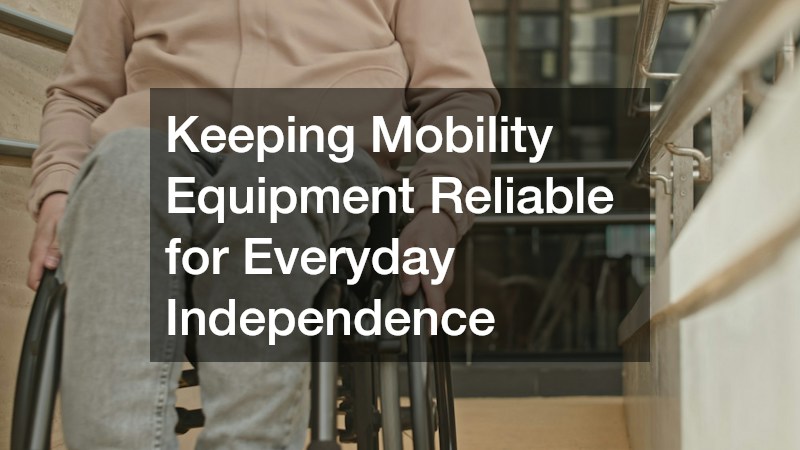
Keeping Mobility Equipment Reliable for Everyday Independence
Mobility devices can make it easier to attend appointments, participate in community activities, and manage daily routines. A scooter, for example, may help someone conserve energy while navigating appropriate indoor or outdoor environments. Selecting equipment involves considering posture, weight capacity, turning space, battery range, transport needs, and the settings where it will be used. A professional evaluation can help determine whether a device safely meets an individual’s needs.
Even suitable equipment requires ongoing attention. Professional mobility scooter repairs may involve worn tires, battery problems, faulty controls, brakes, or other mechanical components. Families should follow manufacturer maintenance guidance, check for signs of wear, and arrange qualified servicing when performance changes. Attempting to operate a scooter with unreliable steering or braking can create unnecessary risks. Planning for maintenance also helps reduce interruptions to work, errands, and social commitments.
Independence doesn’t mean doing everything without assistance. It means having meaningful choices and enough support to participate in ordinary life. Families can help by reviewing accessible transportation options, keeping entrances free of obstacles, and discussing backup plans when equipment needs service. Regular conversations about changing abilities can guide decisions without making someone feel excluded. When healthcare, home modifications, and reliable equipment work together, everyday activities become easier to manage, and family members have more opportunities to stay connected on their own terms. Keeping a written record of repairs, battery performance, and service dates can help identify recurring problems before they disrupt plans.