Caring for a loved one at home can be both rewarding and challenging. Families often face difficult decisions about how best to support a parent, spouse, or relative who requires ongoing medical or personal care. For many, in home health care services provide a solution that balances professional support with the comfort of staying at home. Understanding what these services entail, how to choose the right provider, and how to integrate care into your family’s daily life can make a significant difference in the quality of life for both the patient and the caregivers.
Understanding In Home Care Services
In home care health care services are professional services provided in a patient’s home to help with medical needs, daily living activities, and emotional support. Unlike assisted living or nursing homes, these services allow individuals to maintain independence and remain in a familiar environment. The range of services can vary, but typically includes personal care such as bathing, dressing, and meal preparation, as well as medical support like medication management, physical therapy, or skilled nursing visits.
Families often find that one of the most valuable aspects of in home care is the personalization it allows. Care plans can be tailored to the individual’s specific needs, whether it’s short-term care after surgery, ongoing management of a chronic illness, or companionship for an elderly family member who lives alone. This flexibility ensures that the patient receives the right level of support without compromising their dignity or daily routines.
Additionally, in home services can reduce the emotional and physical strain on family caregivers. Balancing work, personal responsibilities, and caregiving duties can be overwhelming, and professional support helps distribute the responsibilities. Many families find that even a few hours of care each week significantly improves both the patient’s quality of life and their own well-being.
Choosing the Right Provider
Selecting the right in home health care services provider is critical for ensuring quality care. Start by evaluating the credentials of potential agencies or caregivers. Look for licensed, certified, and insured professionals who have experience with the specific needs of your loved one. Reviews, references, and in-person interviews can provide valuable insight into their reliability, compassion, and professionalism.
When assessing a provider, consider the types of services offered. Some agencies focus on non-medical care, such as assistance with meals, housekeeping, and transportation, while others provide skilled nursing and therapy services. Knowing exactly what your loved one requires will help you select the agency that can meet those needs effectively.
Another key factor is the flexibility and responsiveness of the provider. Circumstances can change quickly, whether due to health complications or family schedules. A good in home health care services provider should be able to adjust the care plan accordingly, offer backup caregivers if needed, and maintain open communication with the family. A strong partnership between family members and caregivers ensures that everyone is aligned in supporting the patient’s health and happiness.
Cost is also an important consideration. In home health care services can vary widely in price depending on the level of care, frequency, and location. Understanding your insurance coverage, Medicaid or Medicare options, and any potential out-of-pocket costs is essential. Many families find that the benefits—peace of mind, professional support, and better patient outcomes—justify the expense.
Integrating Care Into Daily Life
Once you’ve chosen a provider, the next step is integrating in home health care services into your family’s daily routine. Start by establishing clear expectations and responsibilities. Create a schedule that outlines the caregiver’s hours, tasks, and areas of focus. This helps prevent confusion, ensures that the patient’s needs are consistently met, and allows family members to plan their own time effectively.
Communication is key. Encourage open dialogue between the patient, family members, and caregivers. Regular updates on the patient’s condition, changes in medication, or behavioral shifts allow everyone to respond promptly and maintain continuity of care. Many agencies offer care logs or digital platforms to facilitate this communication, which can be particularly helpful for families with multiple members involved in caregiving.
Emotional support should not be overlooked. In home health care services often include companionship and social engagement, which are crucial for patients’ mental and emotional well-being. Encourage caregivers to participate in activities that your loved one enjoys, whether it’s reading, listening to music, or simply having a conversation. Family involvement alongside professional care fosters a sense of connection and stability, helping patients feel valued and supported.
Navigating the complexities of caring for a loved one at home can be overwhelming, but in home health care services offer a practical and compassionate solution. These services not only ease the burden on family members but also enhance the patient’s quality of life, providing peace of mind and emotional comfort for everyone involved.
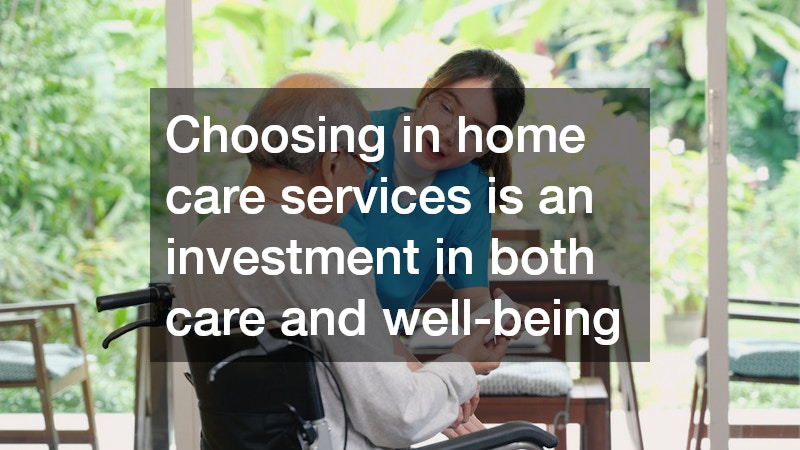
Choosing in home care services is an investment in both care and well-being. With the right approach, families can create a supportive environment where their loved ones thrive, maintain their routines, and receive the professional attention they deserve. Ultimately, in-home care allows families to focus on what truly matters—spending meaningful time together and ensuring that every day is as comfortable, safe, and fulfilling as possible.