
Children’s dental health is the foundation for a lifetime of confident smiles and overall well-being. Building strong oral hygiene habits early not only prevents common dental issues but also helps children grow up with healthy teeth and gums. This guide covers everything parents need to know about children’s dental care, from daily routines to professional checkups, in a practical and easy-to-follow way.
Why Is Dental Care So Important for Children?
Dental care during childhood plays a vital role in shaping both oral and overall health. Healthy teeth allow children to chew food properly, speak clearly, and maintain proper facial development. When oral hygiene is neglected, it can lead to cavities, gum infections, and even discomfort that affects eating and concentration in school. Children are also more prone to dental issues because their enamel is still developing and they often consume sugary foods. Establishing a strong dental routine early helps prevent these issues and reduces the likelihood of costly treatments in the future. Good oral health also boosts confidence, allowing children to smile and interact freely without discomfort or embarrassment. Parents who prioritize dental care early are essentially investing in their child’s long-term health and well-being.
- Supports proper chewing and digestion
- Helps in clear speech development
- Prevents cavities and gum disease
- Builds confidence and healthy habits
- Reduces long-term dental costs
When Should Dental Care Start for Kids?
Dental care should begin even before a child’s first tooth appears. Cleaning a baby’s gums with a soft cloth helps remove bacteria and prepares them for brushing later. Once the first tooth erupts, parents should start using a soft-bristled toothbrush with a small amount of toothpaste. Early care ensures that children become familiar with oral hygiene routines and reduces resistance as they grow older. Starting early also allows parents to monitor tooth development and spot any irregularities. Establishing these habits from infancy builds a strong foundation and makes dental care a natural part of daily life rather than a chore. Consistency during these early years is key to preventing future dental problems.
- Clean gums daily before teeth emerge
- Start brushing with the first tooth
- Use a soft, age-appropriate toothbrush
- Introduce routines early for consistency
- Monitor tooth growth and alignment
How Often Should Kids Brush Their Teeth?
Children should brush their teeth at least twice a day to maintain proper oral hygiene. Brushing in the morning helps remove bacteria that build up overnight, while brushing before bed is crucial to eliminate food particles and plaque accumulated during the day. Each brushing session should last about two minutes to ensure all tooth surfaces are properly cleaned. Many children may rush through brushing, so supervision is important until they develop proper technique. Making brushing enjoyable can significantly improve consistency. Parents can use songs, timers, or interactive apps to encourage children to brush for the full duration. Establishing a regular routine helps reinforce discipline and ensures that oral hygiene becomes a lifelong habit.
- Brush twice daily: morning and night
- Ensure a full 2-minute brushing time
- Use fluoride toothpaste appropriately
- Supervise younger children
- Make brushing fun with games or music
What Is the Right Way to Brush and Floss?
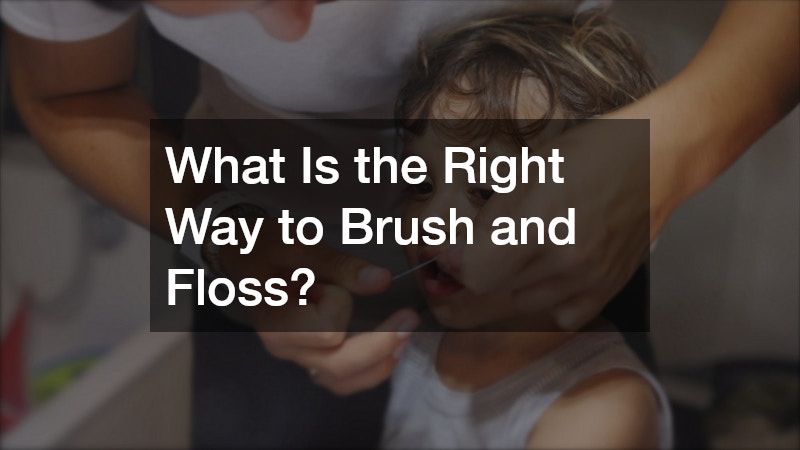
Proper brushing and flossing techniques are essential for effective cleaning. Simply brushing without the right method may leave plaque behind, increasing the risk of cavities. Children should be taught to hold the toothbrush at a slight angle and use gentle circular motions to clean all surfaces of the teeth. Brushing too hard can damage gums, so a gentle approach is important. Flossing becomes necessary when teeth begin to touch, as it removes food particles from areas a toothbrush cannot reach. Parents should guide children through flossing until they can do it independently. Teaching these techniques early ensures thorough cleaning and helps prevent long-term dental issues.
- Use gentle circular brushing motions
- Clean front, back, and chewing surfaces
- Brush the tongue to remove bacteria
- Start flossing when teeth touch
- Supervise until proper technique is learned
What Foods Help or Harm Kids’ Teeth?
Diet plays a significant role in maintaining healthy teeth. Nutrient-rich foods strengthen enamel and support gum health, while sugary and sticky foods increase the risk of cavities. Calcium-rich foods like milk and cheese help build strong teeth, while crunchy fruits and vegetables naturally clean teeth and stimulate saliva production. On the other hand, frequent consumption of sugary snacks and drinks creates an environment where harmful bacteria thrive. It’s not just the type of food but also the frequency of consumption that matters. Encouraging children to drink water and rinse their mouth after meals can help reduce the impact of harmful foods. A balanced diet supports both oral and overall health.
- Include dairy products for strong teeth
- Offer fruits and vegetables for natural cleaning
- Limit sugary and sticky snacks
- Avoid frequent snacking between meals
- Encourage water instead of sugary drinks
How Can Parents Prevent Cavities in Children?
Preventing cavities requires a combination of good hygiene practices and smart lifestyle choices. Cavities develop when plaque interacts with sugars, producing acids that weaken tooth enamel. Parents can reduce this risk by ensuring regular brushing and flossing, limiting sugary foods, and encouraging healthy eating habits. Regular dental checkups also play a crucial role in early detection and prevention. Additional protective measures such as fluoride treatments and dental sealants can provide extra defense against decay. Educating children about the importance of oral hygiene empowers them to take responsibility for their dental health. Prevention is always more effective and less costly than treatment.
- Maintain consistent brushing and flossing
- Limit sugar intake and snacking frequency
- Schedule regular dental checkups
- Consider fluoride treatments and sealants
- Teach children proper oral hygiene habits
When Should a Child Visit the Dentist?
Regular dental visits are essential for maintaining oral health and identifying potential issues early. Parents should understand the Importance of early dental visits in ensuring that any problems are detected and treated before they become serious. These visits also help children become comfortable with the dental environment, reducing fear and anxiety over time. During a visit, the dentist examines teeth and gums, checks for cavities, and provides professional cleaning. They may also offer guidance on brushing techniques and dietary habits. Establishing a routine of regular visits ensures that a child’s dental development is closely monitored and maintained.
- Schedule regular dental checkups
- Monitor tooth and gum health
- Detect issues early
- Build comfort with dental visits
- Receive professional cleaning and advice
How to Prepare Your Child for a Dental Visit?
Preparing a child for a dental visit can make the experience positive and stress-free. Children often feel anxious about unfamiliar environments, so it’s important to introduce the idea of a dental visit in a calm and reassuring way. Parents can explain what will happen using simple and positive language, avoiding words that may cause fear. Reading books or watching videos about dental visits can also help children understand the process. Scheduling appointments at a convenient time, when the child is well-rested, can improve cooperation. A positive first experience sets the tone for future visits and encourages children to maintain regular checkups.
- Talk positively about the dentist
- Avoid using fear-inducing language
- Use books or videos for preparation
- Schedule visits at suitable times
- Stay calm and supportive
What Are Common Dental Problems in Kids?
Children may experience various dental issues that require attention. Tooth decay is the most common problem, often caused by poor oral hygiene and excessive sugar intake. Gum inflammation can occur due to plaque buildup, while habits like thumb sucking can affect tooth alignment. Early loss of baby teeth or misaligned teeth may also require professional evaluation. Recognizing the warning signs of dental problems allows parents to take timely action. Symptoms such as tooth pain, sensitivity, or bleeding gums should not be ignored. Addressing these issues early helps prevent complications and ensures proper dental development.
- Watch for tooth pain or sensitivity
- Notice bleeding or swollen gums
- Check for discoloration or spots
- Monitor alignment and spacing
- Seek professional advice when needed
How Do Habits Affect Dental Health?
Daily habits have a significant impact on a child’s dental health. Habits like thumb sucking or prolonged pacifier use can affect the alignment of teeth and jaw development. Nail biting and teeth grinding can also cause damage over time. Identifying and addressing these habits early is important to prevent long-term issues. Parents should gently guide children toward healthier alternatives and provide encouragement rather than punishment. In some cases, professional advice may be needed to manage persistent habits. Building awareness and promoting positive behaviors helps protect dental health and supports proper development.
- Discourage thumb sucking and pacifier overuse
- Address nail biting and teeth grinding
- Encourage healthier alternatives
- Monitor habit patterns
- Consult a dentist if habits persist
How to Choose the Right Dental Products for Kids?
Selecting the right dental products is essential for effective oral care. Children require specially designed toothbrushes with soft bristles and small heads to ensure comfort and proper cleaning. Toothpaste should contain fluoride and be used in age-appropriate amounts to avoid overuse. Mouthwash is generally not necessary for young children unless recommended by a dentist. Using the right products makes brushing easier and more effective, encouraging children to maintain their routine. Parents should also replace toothbrushes regularly to ensure hygiene and effectiveness. Choosing quality products supports better oral health outcomes.
- Use soft-bristled, child-sized toothbrushes
- Select fluoride toothpaste
- Follow recommended toothpaste quantities
- Replace toothbrushes regularly
- Use mouthwash only if advised
How Can Parents Build Strong Dental Habits?

Building strong dental habits requires consistency, patience, and positive reinforcement. Children are more likely to adopt good habits when they see their parents practicing them. Brushing together as a family creates a sense of routine and encourages participation. Using reward systems or progress charts can motivate children to stay consistent. It’s also important to explain the benefits of oral hygiene in a way children can understand. Over time, these habits become second nature, reducing the need for constant supervision. Establishing a supportive environment ensures long-term success in maintaining oral health.
- Brush together as a family
- Set consistent daily routines
- Use rewards and encouragement
- Educate children on oral health benefits
- Track progress to build motivation
What Role Does Fluoride Play in Oral Health?
Fluoride is a key element in maintaining strong and healthy teeth. It helps strengthen enamel, making teeth more resistant to decay caused by acids and bacteria. Fluoride also plays a role in repairing early signs of tooth damage, preventing cavities from developing further. It is commonly found in toothpaste, drinking water, and professional dental treatments. While fluoride is beneficial, it should be used in appropriate amounts to ensure safety. Parents should supervise young children during brushing to prevent swallowing toothpaste. Incorporating fluoride into daily oral care routines significantly enhances protection against dental problems.
- Strengthens tooth enamel
- Prevents and repairs early decay
- Found in toothpaste and water
- Requires proper usage for safety
- Enhances overall oral protection
How to Handle Dental Emergencies in Children?
Dental emergencies can occur unexpectedly, and knowing how to respond is crucial. Situations such as a knocked-out tooth, chipped tooth, or severe toothache require immediate attention. Staying calm and acting quickly can prevent further damage. Rinsing the mouth gently and applying a cold compress can help manage pain and swelling. In the case of a knocked-out tooth, proper handling and prompt dental care may increase the chances of saving it. Parents should always have a plan in place and know how to contact a dentist in case of emergencies. Preparedness ensures better outcomes and reduces stress during such situations.
- Stay calm and assess the situation
- Rinse the mouth gently
- Apply a cold compress for swelling
- Handle knocked-out teeth carefully
- Seek immediate dental care
How Does Oral Health Impact Overall Health?
Oral health is closely connected to a child’s overall health and development. Poor dental hygiene can lead to infections that may affect other parts of the body. Pain from dental issues can interfere with eating, leading to nutritional deficiencies. It can also impact a child’s confidence and social interactions. Maintaining good oral hygiene supports overall well-being and ensures that children can eat, speak, and grow without discomfort. Parents who prioritize dental care contribute to their child’s physical and emotional health, reinforcing the importance of consistent oral hygiene practices.
- Prevents infections and health complications
- Supports proper nutrition
- Enhances confidence and social interaction
- Promotes overall well-being
- Encourages healthy development
What Are the Best Daily Dental Care Habits?
Developing a daily dental care routine is essential for maintaining healthy teeth and gums. Simple habits practiced consistently can prevent most dental problems. Brushing twice a day, flossing regularly, and maintaining a balanced diet are key components of good oral hygiene. Encouraging children to rinse their mouth after meals when brushing is not possible also helps reduce plaque buildup. Consistency is the most important factor in ensuring long-term dental health. Parents should reinforce these habits daily to ensure they become a natural part of a child’s routine.
- Brush twice daily
- Floss once a day
- Drink plenty of water
- Limit sugary snacks
- Rinse after meals when needed
Conclusion
Children’s dental health requires consistent care, guidance, and awareness. By establishing good habits early, choosing the right foods, and scheduling regular checkups, parents can ensure their child grows up with strong and healthy teeth. For parents looking for trusted, research-backed guidance, resources like the American Academy of Pediatric Dentistry offer valuable insights into maintaining healthy smiles from an early age.
Focusing on children’s dental care is not just about preventing problems—it’s about building confidence, promoting overall health, and setting the stage for a lifetime of good oral hygiene. You can also explore practical recommendations and statistics from the CDC’s children’s oral health guide to stay informed and proactive about your child’s dental well-being.
Key Takeaways
- Start oral care early—even before the first tooth appears
- Maintain a consistent brushing and flossing routine
- Limit sugary foods and encourage a balanced diet
- Schedule regular dental visits to catch issues early
- Teach proper brushing techniques and supervise young children
- Use fluoride appropriately to strengthen teeth
- Be prepared for dental emergencies and act quickly