
Creating a safe, healthy home environment is one of the most meaningful investments you can make for your loved ones. While interior decorating and cosmetic upgrades often capture the spotlight, the true foundation of a comfortable residence lies in its structural integrity, air quality, and mechanical reliability. Over time, every house experiences natural wear and tear that can quietly compromise the well-being of the people living inside. Addressing hidden vulnerabilities before they escalate into major emergencies protects both your family and your peace of mind.
Many household hazards develop gradually, hiding behind drywall, beneath floorboards, or out in the yard. By taking a proactive approach to home maintenance, homeowners can eliminate toxic exposures, prevent accidental injuries, and ensure essential systems run smoothly throughout every season. Below is a guide to critical repairs and preventative upgrades around your property that will keep your household thriving.
Safeguarding Indoor Air Quality and Moisture Control
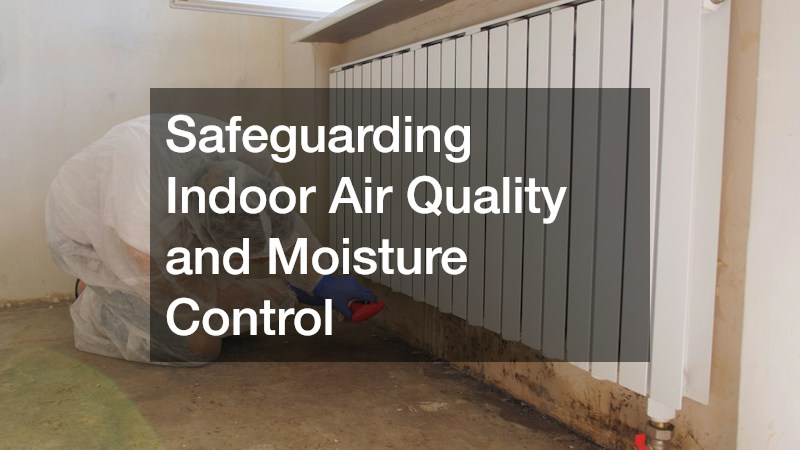
The air circulating inside your home has a direct impact on your family’s respiratory health, energy levels, and sleep quality. Managing moisture levels and eliminating contaminants should always be at the top of your maintenance checklist.
Sealing Foundation Cracks and Basement Walls
Basements and crawl spaces are the most common entry points for ground moisture, which can lead to structural decay and unhealthy indoor environments. Even hairline fractures in poured concrete or mortar joints allow water vapor and liquid seepage to enter your home during heavy rainstorms.
- Inspect exterior foundation walls twice a year, paying close attention to areas near downspouts and garden beds where water tends to pool.
- Clean out small, non-structural cracks using a wire brush and vacuum, then fill them thoroughly with hydraulic cement or an expanding polyurethane injection foam.
- Ensure that exterior soil grades slope away from the house at a rate of at least six inches over the first ten feet to direct rainwater away from the foundation.
Remediating Hidden Fungal Growth Safely
- Check beneath kitchen and bathroom cabinets regularly for warped wood, peeling laminate, or musty odors that signal slow plumbing leaks.
- Use a digital hygrometer to monitor indoor humidity levels, keeping relative humidity consistently between 30 percent and 50 percent with dehumidifiers if necessary.
- When widespread contamination is discovered behind drywall or in ventilation ducts, hiring a certified mold cleanup company ensures safe containment, negative air pressure filtration, and complete spore eradication.
Repairing Plumbing Leaks and Past Flood Damage
- Replace aging rubber washing machine hoses with braided stainless steel supply lines, which resist bursting under high water pressure.
- Install inexpensive battery-operated water leak alarms near water heaters, sump pumps, dishwashers, and under sinks to receive immediate alerts at the first sign of moisture.
- If a major plumbing failure or storm surge floods your living space, contacting professional water damage repair services promptly will allow technicians to extract standing water and deploy industrial air movers before rot sets in.
- For comprehensive structural drying and rebuilding after a major household disaster, partnering with a trusted local restoration company or a specialized local water restoration service helps return your living quarters to a safe, sanitary condition.
Upgrading Ventilation in High-Humidity Zones
- Verify that all bathroom exhaust fans vent directly outdoors through the roof or an exterior wall rather than terminating inside the attic space.
- Upgrade noisy, outdated bathroom fans to high-efficiency, quiet models equipped with built-in humidity sensors that automatically activate when steam levels rise.
- Run your kitchen range hood whenever boiling water or frying food to capture grease, moisture, and combustion byproducts at the source.
Maintaining Heating Systems and Preventing Carbon Monoxide Risks
As temperatures drop, your family relies heavily on heating equipment to stay warm and comfortable. However, poorly maintained furnaces, boilers, and space heaters pose serious fire hazards and can release odorless, invisible gases into your living spaces.
Scheduling Annual Furnace and Boiler Inspections
- Have a licensed HVAC technician inspect your furnace or boiler every autumn before turning the heat on for the season.
- Change pleated air filters every one to three months to prevent dust buildup from restricting airflow and causing the heat exchanger to overheat.
- If you notice yellow or flickering burner flames instead of a steady blue flame, or if your system cycles on and off rapidly, schedule professional heater repair immediately to prevent mechanical failure or gas leaks.
Servicing Oil Tanks and Fuel Lines
Homes that rely on heating oil require specialized attention to prevent fuel leaks, sludge buildup, and burner malfunctions. An aging oil tank or corroded supply line can cause costly environmental contamination and leave your family without heat during freezing weather.
- Inspect indoor and outdoor oil tanks visually for signs of rust, weeping seams, wet spots underneath the tank, or unstable support legs.
- Arrange for routine heating oil service to clean the burner nozzle, replace oil filters, and test system pressure for optimal fuel efficiency.
- Keep the outdoor fill pipe and vent alarm clear of snow, ice, and overgrown bushes so delivery drivers can safely refill your tank without overfilling.
Testing Smoke and Carbon Monoxide Detectors
- Install dual-sensor smoke alarms inside every bedroom, outside each sleeping area, and on every level of the home, including the basement.
- Place carbon monoxide detectors on every floor, positioned at least 15 feet away from fuel-burning appliances to avoid false alarms while ensuring rapid detection.
- Check the manufacturing date printed on the back of every unit, replacing smoke detectors every ten years and carbon monoxide alarms every five to seven years.
Securing Exterior Grounds and Tree Hazards

Your home’s exterior environment plays a major role in protecting your family from physical injury and property damage. Overgrown trees, unstable limbs, and neglected yard features can quickly turn into dangerous projectiles during severe weather events.
Pruning Overhanging Limbs and Weak Branches
Healthy trees provide shade and beauty, but branches that extend over your roof, driveway, or children’s play areas pose significant overhead risks. High winds, heavy snow, and summer thunderstorms can snap weakened limbs without warning.
- Walk your property perimeter each spring and autumn to look for dead, leafless branches, deep vertical cracks in trunks, or mushrooms growing near the base of trees.
- Trim back healthy tree limbs so they remain at least ten feet away from your roof shingles, siding, and overhead utility service drops.
- When severe storms leave broken limbs dangling precariously over your house or blocking your driveway, calling emergency tree services ensures rapid, safe clearance without risking personal injury.
Removing Diseased or Dying Trees Near Structures
- Watch for warning signs of severe tree decline, such as peeling bark, leaning trunks with heaving soil on one side, or sparse foliage at the top canopy.
- Hiring experienced tree removal services allows crews to dismantle hazardous trees piece by piece using rigging equipment, protecting surrounding fences, gardens, and rooflines.
- Have stumps ground down below soil level after tree takedowns to eliminate tripping hazards in the lawn and deter carpenter ants and termites from nesting near your house.
Ensuring Backyard Pool and Water Safety
If your property features a swimming pool, hot tub, or backyard water feature, maintaining strict safety barriers and clean water chemistry is vital. Drowning remains a leading cause of accidental injury in young children, while improperly balanced pool water can harbor harmful pathogens.
Installing Self-Latching Gates and Pool Alarms
- Surround your pool completely with a non-climbable fence that stands at least four feet high, ensuring vertical slats are spaced no more than four inches apart.
- Equip all perimeter gates with self-closing hinges and self-latching mechanisms positioned at least 54 inches above the ground, out of reach of small children.
- Install door alarms on any house doors that open directly onto the pool deck so an audible chime alerts you immediately if a child exits the house.
Balancing Water Chemistry and Filtration
Crystal-clear water is not automatically sanitary. Without proper sanitizer levels and balanced pH, swimming pools can transmit ear infections, skin rashes, and gastrointestinal illnesses.
- Test your pool water two to three times per week using reliable liquid reagent kits or digital testers to verify free chlorine, pH, total alkalinity, and calcium hardness levels.
- Keep pH levels strictly between 7.4 and 7.6; water that is too acidic corrodes metal ladders and irritates eyes, while overly alkaline water renders chlorine ineffective.
- Scheduling consistent weekly pool cleaning ensures that skimmer baskets are emptied, filters are backwashed, and chemical balances remain steady throughout the swimming season.
Managing Pool Water Conservation and Drainage
- Monitor cyanuric acid stabilizer levels; when concentrations climb above 100 parts per million, chlorine becomes locked up and loses its ability to sanitize effectively.
- Consider using mobile pool water recycling services, which filter out excess minerals, hardness, and contaminants on-site while conserving up to 85 percent of your existing water.
- Check local municipal codes before backwashing or draining water into street storm drains, as chlorinated water can harm local waterways and aquatic wildlife.
Addressing Electrical and Fire Hazards Inside the Home
Modern households run more electronics, appliances, and charging devices than ever before. Older wiring systems and overloaded circuits often struggle to keep pace with contemporary electrical demands, creating hidden fire and shock risks behind your walls.
Upgrading Outlets Near Water Sources
- Install Ground Fault Circuit Interrupter outlets in all bathrooms, kitchens, laundry rooms, garages, basements, and outdoor exterior receptacles.
- Press the test and reset buttons on every GFCI outlet monthly to verify that the internal trip mechanism cuts power instantaneously.
- Equip outdoor outlets with weatherproof in-use bubble covers that keep rain and sprinklers away from plugged-in cords.
Eliminating Overloaded Circuits and Extension Cords
- Plug high-wattage appliances directly into dedicated wall outlets rather than power strips.
- Replace basic power strips with UL-listed surge protectors featuring built-in circuit breakers that trip automatically if electrical load exceeds safe limits.
- Inspect all appliance cords for frayed insulation, exposed copper wires, or cracked plugs, discarding or professionally repairing damaged cords immediately.
Eliminating Everyday Slips, Falls, and Toxic Exposures
Beyond major structural and mechanical systems, small everyday hazards account for thousands of preventable household injuries each year. Simple ergonomic and chemical adjustments make your home dramatically safer for toddlers, older adults, and everyone in between.
Securing Heavy Furniture and Rugs
- Anchor tall bookcases, chests of drawers, and media consoles directly to wall studs using heavy-duty anti-tip brackets and steel straps.
- Place non-slip rubberized rug pads underneath all area rugs and hallway runners to prevent bunching and sliding on hardwood or tile floors.
- Install sturdy handrails on both sides of all interior and exterior staircases, ensuring brackets are anchored securely into wall framing.
Locking Away Household Chemicals and Medications
- Move all drain cleaners, bleach, dishwasher detergents, and garage chemicals from under-sink cabinets to high shelves secured with magnetic childproof locks.
- Keep all prescription and over-the-counter medications in a locked medicine box stored out of sight, safely disposing of expired pills at local pharmacy drop-off kiosks.
- Ensure window blind cords are shortened, secured with tension cleats, or replaced with cordless window coverings to eliminate strangulation risks in bedrooms and playrooms.
Testing for Radon and Lead Hazards
- Purchase an inexpensive short-term or long-term radon test kit to measure radioactive gas levels in the lowest lived-in level of your home, installing a sub-slab depressurization system if readings exceed 4.0 picocuries per liter.
- If your home was built before 1978, have peeling or chipping paint tested for lead before sanding or renovating, and hire certified lead-safe contractors for window replacements.
- Test private well water annually for coliform bacteria, nitrates, lead, and arsenic, and consider installing a whole-house filtration system or reverse osmosis tap filter if municipal water pipes are older.
Creating a Seasonal Home Maintenance Routine
Maintaining a healthy and safe home does not require tackling every project in a single weekend. By breaking repairs down into manageable seasonal habits, you can spot minor wear early, avoid costly emergency breakdowns, and keep your living environment consistently protected. Walk through your property once each season with a flashlight and a notepad, checking off small fixes before they grow into major disruptions. Involving the whole household in simple safety checks also teaches children valuable habits for caring for their living space. Your diligence today builds a resilient, comfortable sanctuary where your family can thrive for years to come.