When illness strikes a household, the daily rhythm of life comes to a sudden halt. Whether it is a seasonal flu circulating through the family, a sudden bout of stomach distress, or a string of persistent minor ailments, keeping everyone comfortable, safe, and on the path to recovery can feel like an overwhelming challenge. Parents and caregivers often find themselves playing multiple roles simultaneously, acting as nurses, sanitizing experts, meal planners, and logistical coordinators. During these taxing stretches, having a clear and organized strategy makes all the difference between chaotic stress and smooth recuperation.
Acute Symptom Management and Physical Comfort
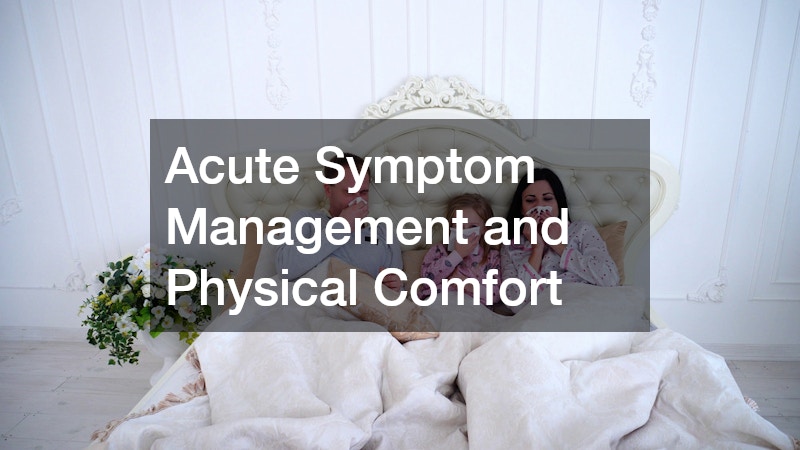
When a family member contracts a seasonal illness, the initial hours are often the most demanding for caregivers. Establishing a comfortable physical environment immediately helps body systems dedicate their energy toward healing rather than fighting external discomforts. Providing proper rest conditions reduces overall stress on the body, encouraging faster immune responses and helping sick family members regain their strength.
Creating Dedicated Healing Spaces Inside the Home
Setting up dedicated recovery zones within your home helps contain illness while maximizing patient comfort. When a family member falls ill, transform their bedroom into a peaceful sanctuary equipped with essential supplies so they do not need to move around shared living spaces frequently.
-
Separate infected individuals into dedicated resting rooms whenever possible to limit the spread of airborne droplets throughout shared spaces.
-
Keep room temperatures moderate, around sixty-eight to seventy degrees Fahrenheit, to prevent chills or excessive sweating during fever episodes.
-
Use dim lighting or adjustable window shades to lessen sensory strain on resting eyes and reduce environmental stimulation.
-
Stock bedside tables with essential items such as facial tissues, water bottles, waste bins with disposable plastic liners, and soothing lip balm.
When illness manifests in more severe or localized physical distress, managing discomfort becomes crucial for allowing proper rest. For example, severe neurological symptoms such as intense head pain can completely disrupt sleep and recovery for both adults and children. In such instances, exploring effective migraine treatments under the guidance of a qualified medical provider can offer substantial relief and prevent prolonged physical suffering during an already stressful sick period.
Optimizing Hydration and Mild Nutrition Strategies
Maintaining proper fluid balance is one of the most critical elements of home health care, especially when fever, sweating, or gastrointestinal symptoms are present. Dehydration can rapidly worsen feelings of fatigue, headache, and nausea, making recovery significantly longer and more difficult.
-
Offer small, frequent sips of liquids such as electrolyte solutions, warm clear broths, diluted fruit juices, and herbal teas throughout the day.
-
Avoid heavy, fatty, or highly seasoned foods that can irritate sensitive digestive tracts during active viral or bacterial infections.
-
Introduce simple bland foods like bananas, white rice, applesauce, toasted bread, and saltine crackers as appetite slowly returns.
-
Keep a detailed visual log of liquid intake for younger children to monitor for subtle signs of dehydration, including dry lips or decreased urination.
Tracking Symptoms and Administering Medications Safely
Managing over-the-counter remedies and prescription drugs requires careful organization, particularly when multiple family members fall sick at the same time. Mismanaging medication schedules or dosages can lead to accidental double-dosing or ineffective symptom management.
-
Maintain a centralized digital log or physical notebook recording temperature readings, medication dosages, and exact time intervals for every sick individual.
-
Always use the specialized measuring syringes or cups provided with liquid medications rather than standard household kitchen spoons.
-
Store all over-the-counter and prescription medications in a cool, dry cabinet well out of reach of curious young children.
-
Verify age-appropriate dosage requirements carefully, paying close attention to weight guidelines listed on pediatric medication packaging.
Managing Medical and Healthcare Services During Recovery
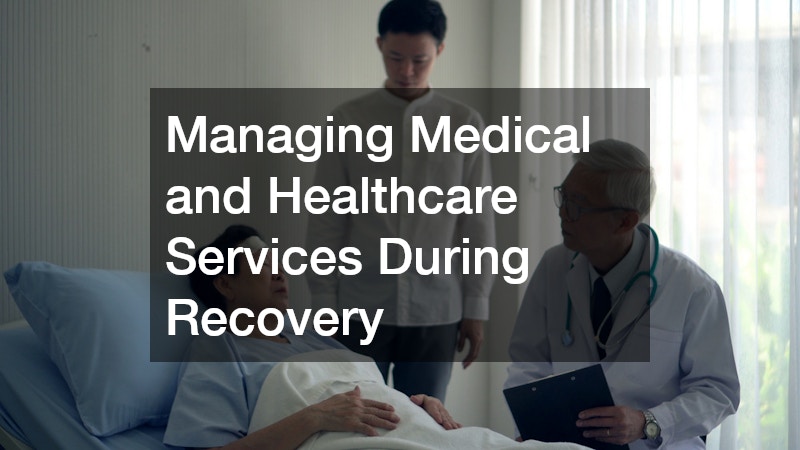
Navigating health care needs while managing a sick family requires organized coordination. Knowing when to call primary care providers and how to address secondary health issues ensures that your family receives prompt and effective medical attention.
Establishing Strong Communication with Primary Care Providers
Having a reliable medical team ready to assist you makes a profound difference when evaluating symptoms at home. Primary care doctors provide essential advice on whether a symptom can be managed at home or requires an in-person clinical evaluation.
Reaching out to your local pediatrician as soon as a child shows signs of high fever, persistent lethargy, or breathing difficulties provides vital peace of mind and ensures timely intervention. Pediatric specialists understand the subtle ways children manifest illness and can guide parents through tailored home remedies or prescribe necessary medications.
-
Prepare a clear list of questions, symptom timelines, and current medications before calling the doctor office or initiating a telehealth consultation.
-
Inquire about virtual consultation options to avoid exposing weak family members to crowded medical waiting rooms during peak illness seasons.
-
Request specific guidance on when a child can safely return to school or daycare without risking contagion to classmates or teachers.
Dental health is another critical aspect of overall family wellness that should not be overlooked when health problems arise. Severe oral pain or infections can emerge unexpectedly while a family member is recovering from other illnesses, compounding physical strain and making eating or sleeping nearly impossible. Locating an affordable dentist ensures that emergency oral care remains accessible without causing undue financial strain on the household budget during an already demanding season.
Addressing Specialized Dental Needs for Younger Family Members
Children face unique oral health challenges that require specialized attention, especially when underlying infections or structural dental issues cause severe pain. Maintaining proactive dental care helps prevent sudden emergencies that complicate general recovery. Consulting a qualified pediatric dentist ensures that young patients receive gentle, specialized care tailored to their growing jaw structures and emotional comfort. When severe decay, impaction, or infection affects a child’s tooth, procedures such as necessary tooth extractions must be performed expertly to protect surrounding dental development and alleviate severe discomfort.
-
Schedule regular routine dental checkups to catch emerging decay before it turns into an acute, painful infection requiring major intervention.
-
Seek immediate professional advice if a child experiences sudden dental trauma, severe toothaches, or persistent gum swelling during an illness.
-
Follow all post-procedure care guidelines diligently after dental procedures to prevent secondary oral infections and promote rapid tissue healing.
Knowing When Immediate Emergency Intervention Is Required
While most seasonal illnesses resolve with rest and home care, certain warning signs indicate a medical emergency that requires urgent hospital evaluation. Recognizing these critical signs early can prevent severe complications.
-
Monitor for critical red flags such as severe chest pain, persistent shortness of breath, sudden dizziness, or inability to retain any liquids.
-
Seek emergency medical attention immediately if anyone displays sudden confusion, unresponsiveness, extreme drowsiness, or a bluish tint around the lips.
-
Trust your parental instincts when a child appears abnormally silent, floppy, or unresponsive despite taking fever-reducing medications.
-
Keep emergency contact numbers, medical insurance cards, and medical history documents stored together in an easily accessible household folder.
Maintaining a Clean and Healthy Living Environment
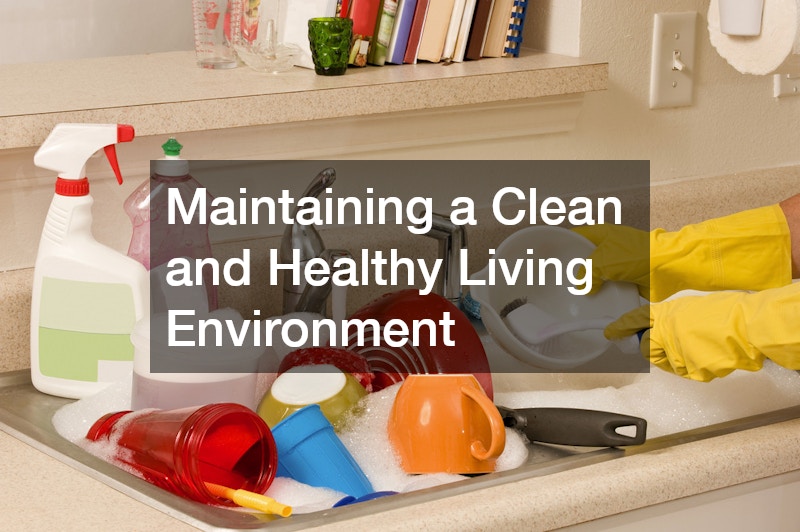
A clean physical home plays a direct role in preventing the spread of germs and protecting vulnerable immune systems. However, home sanitation involves more than just wiping counters; it also requires safeguarding the living area from environmental factors and pests that exacerbate respiratory issues and spread dangerous bacteria.
Sanitizing High-Touch Surfaces and Shared Indoor Air
Pathogens can survive on household surfaces for hours or even days, making rigorous sanitation essential when someone in the house is sick. Focusing on high-touch areas breaks the chain of infection and protects healthy family members.
-
Disinfect frequently touched household surfaces daily, including doorknobs, light switches, remote controls, refrigerator handles, and bathroom faucets.
-
Open windows periodically for ten to fifteen minutes when weather permits to encourage air exchange and lower indoor pathogen concentrations.
-
Wash bed sheets, pillowcases, and bath towels in hot water using quality detergent, ensuring items are thoroughly dried on high heat.
-
Replace shared hand towels in bathrooms with single-use paper towels or clean cloth towels assigned strictly to individual family members.
While keeping surfaces sanitized stops viral and bacterial spread, maintaining overall home hygiene also requires keeping unwanted household pests out of living spaces. Insects and rodents carry harmful bacteria, trigger allergies, and drop waste particles that irritate airways, which is particularly dangerous when family members are recovering from respiratory infections. Implementing effective roach control measures helps prevent infestations that can contaminate open food supplies, pollute indoor air quality, and trigger severe asthma attacks. If an infestation takes root, calling a professional exterminator ensures that pests are removed safely and thoroughly without exposing sick household members to improper application techniques.
Implementing Professional Pest Control and Environmental Management
Comprehensive home health requires defending your living space against external pests that threaten structural hygiene and air quality. Long-term environmental management stops pest populations before they can impact your family health. Living in warm or humid climates often increases the frequency of insect invasions inside residential structures. Securing reliable georgia pest control services provides specialized defense mechanisms tailored to regional climate challenges, protecting households from recurring infestations. Partnering with experts in integrated pest management ensures that your home environment remains hygienic, pest-free, and safe for vulnerable family members recovering from illness.
-
Inspect kitchen cabinets, behind large appliances, and under bathroom sinks regularly for signs of moisture accumulation or pest activity.
-
Seal structural cracks around foundations, exterior doors, and window sills using durable caulk to block crawling insects from entering.
-
Store all dry food goods, pet food, and pantry items in airtight glass or heavy plastic containers to remove potential food sources.
Regulating Humidity and Indoor Air Quality Metrics
Indoor air quality significantly influences respiratory comfort, throat irritation, and sleep quality during recovery from respiratory viruses. Controlling humidity levels and air filtration reduces stress on sensitive nasal passages.
-
Use a high-efficiency particulate air purifier in primary recovery bedrooms to continuously filter out dust, pet dander, and microscopic airborne droplets.
-
Run a clean cool-mist humidifier in bedrooms to soothe dry nasal passages, persistent coughs, and raw, irritated throat tissue.
-
Clean humidifier water reservoirs daily with white vinegar and fresh water to prevent mold, mildew, and bacteria from circulating into the room.
-
Maintain indoor relative humidity levels between thirty and fifty percent to hinder the survival of viruses while discouraging dust mites and mold growth.
Safeguarding Home Integrity and Long-Term Wellness
The physical structure of your home provides the ultimate protective shell for your family’s health and well-being. Environmental hazards within walls or foundations can silently compromise indoor air quality and create hidden stress on immune systems, making family members more susceptible to frequent illnesses.
Preventing Structural Hazards and Dampness Inside Living Spaces
Excess moisture within building materials creates an ideal breeding ground for toxic mold spores and structural decay. Identifying and repairing hidden water intrusion protects respiratory health and preserves structural safety.
-
Inspect basements, attics, and crawlspaces regularly for signs of active water leakage, wood decay, or elevated humidity levels.
-
Repair plumbing leaks under sinks and behind walls immediately to prevent hidden moisture buildup that fosters mold growth.
-
Ensure proper exhaust ventilation in bathrooms and kitchens to vent excess humidity directly to the exterior of the house.
-
Clean gutters and downspouts regularly to direct rainwater away from home foundations, preventing dampness from seeping into basement walls.
In regions prone to wood-destroying organisms, hidden structural damage inside walls can compromise home safety and create damp, dark cavities where fungi and pests flourish. Property owners living in mid-Atlantic areas should prioritize scheduling routine va termite inspections to detect subtle structural compromises early, preserving home safety and ensuring that living spaces remain dry, clean, and structurally sound.
Establishing Long-Term Family Health Preparedness Routines
Being prepared for health disruptions before they occur minimizes panic and allows caregivers to focus entirely on comforting sick family members. Establishing routine wellness checks and supply maintenance keeps your household ready for any situation.
-
Keep a fully stocked home first-aid kit containing digital thermometers, bandage supplies, antiseptic wipes, sterile gauze, and fever medications.
-
Create a master contact sheet containing phone numbers for primary care doctors, local urgent care centers, pharmacies, and emergency services.
-
Establish a routine for checking expiration dates on all over-the-counter medications and replacing depleted supplies twice per year.
-
Maintain an emergency financial buffer specifically reserved for unexpected health care costs, medical co-pays, and urgent home repairs.
Navigating a period when your family is under the weather demands patience, organization, and a holistic approach to home health care. By managing acute physical symptoms with proper rest and hydration, maintaining open communication with healthcare professionals, and enforcing thorough sanitation routines, you can help your loved ones recover smoothly and safely.