
Taking the leap into marriage is a beautiful milestone, but for many modern couples, it is just the first step in a rapid succession of major life changes. The years immediately following your wedding day often bring a whirlwind of logistical and financial choices, particularly if your long-term vision includes both buying a home and starting a family. Balancing the emotional weight of a wedding, the financial commitment of a mortgage, and the psychological preparation for parenthood simultaneously can feel overwhelming. Without a coordinated strategy, these three massive milestones can collide, creating unnecessary financial friction and marital stress right when you should be celebrating your new beginning.
The secret to navigating this transitional period successfully lies in viewing these milestones not as isolated events, but as interconnected phases of a singular journey. The financial choices you make while planning your wedding directly impact your borrowing power when applying for a home loan. Similarly, the specific layout and structural integrity of the property you purchase will dictate your daily reality once a stroller, a crib, and a toddler enter the picture. By approaching your timeline with a unified plan, you can protect your financial liquidity, avoid common home-buying pitfalls, and cultivate a safe, comfortable environment designed to grow alongside your future family.
Balancing the Wedding Budget with Your Future Down Payment

Establishing Financial Boundaries Before the Big Day
Long before you walk down the aisle, you and your partner must have an open, transparent conversation about your long-term financial priorities. It is incredibly easy to let wedding costs spiral out of control, fueled by social media expectations and high-pressure event industries. However, every thousand dollars poured into a single calendar day is a thousand dollars deducted from your future home equity, structural renovations, or childcare funds. Shifting your mindset toward building lifetime equity rather than hosting a one-time production is the first step toward securing your future family home.
To keep your hard-earned savings intact for a down payment, look critically at the largest drivers of event expenses:
- Guest List Rationalization: The simplest way to drop costs is to reduce the headcount. A smaller, intimate guest list scales down food, beverage, and invitation costs automatically.
- Off-Peak Timing: Hosting your celebration on a Friday, Sunday, or during the late fall and winter months can slash venue rental rates significantly.
When researching regional wedding venues, look for spaces that allow external vendor flexibility rather than forcing you into mandatory, high-markup catering and beverage packages. Many historic buildings or public properties offer beautiful backdrops but come with strict infrastructure limitations.
Couples aiming to maximize their home-buying budget frequently opt for a beautiful backyard, family estate, or public park celebration. By utilizing a local wedding tent rental provider, you can design a high-end, customized aesthetic from scratch while entirely bypassing the steep site fees associated with traditional commercial banquet halls. This savvy alternative keeps your liquid cash right where it belongs: in your high-yield savings account, ready for your upcoming real estate down payment.
Assembling Your Home Buying Dream Team

Finding Professionals Who Understand the “Five-Year Plan”
Buying a home as a married couple with plans for children requires a completely different perspective than buying a property as single adults. You are no longer just looking for proximity to nightlife or a low-maintenance minimalist space; you are looking for long-term structural safety, functional square footage, and neighborhood stability. Navigating this complex market requires a specialized team of professionals who can look past current staging cosmetics and analyze how a property will perform over a five-to-ten-year lifecycle.
Your first call should be to a qualified professional who can untangle the complexities of modern real estate financing. Partnering with an experienced local mortgage lender ensures you receive a realistic assessment of your purchasing power based on local tax structures, property insurance rates, and regional loan programs. A neighborhood specialist can guide you toward specific first-time homebuyer grants, structural renovation loans, or competitive interest rates that corporate, online-only lenders often overlook. Getting fully pre-approved before you set foot in an open house protects you from falling in love with a property that sits outside your true financial comfort zone.
With your pre-approval letter in hand, you can confidently interview real estate advocates. You want to partner with a top real estate agent who has a proven track record of helping growing families plant roots in your target neighborhoods.
During your initial consultations, ask how they evaluate school district boundaries, upcoming municipal zoning changes, and neighborhood turnover rates. A great agent won’t just point out the beautiful granite countertops; they will actively warn you if a home features a steep, dangerous driveway unsuited for young children, or if a neighborhood lacks sidewalks and parks. This guidance helps you avoid an emotional purchase that you may quickly outgrow once a child arrives.
Scouting the Property: Looking Through a Parent’s Lens
Evaluating Structural Layouts for Future Strollers and Cribs
When touring properties, you must train your eyes to look beyond current interior design trends and assess the floor plan’s baseline functionality. A home that feels spacious and romantic for two newlyweds can quickly feel claustrophobic and poorly designed once it is filled with baby swings, pack-and-plays, and plastic toys. Pay close attention to vertical transitions; a home with multiple split-levels or narrow, winding staircases can become a daily exhausting obstacle course when you are carrying a sleeping infant or struggling with heavy diaper bags.
Storage capacity is another critical element that can make or break your parental sanity. Look at the configuration of the kitchen, hallways, and entryways to see where day-to-day organizational systems can be seamlessly integrated. You will want to verify that the home has dedicated spaces where you can install a sturdy storage cabinet or utility pantry to keep diapers, bulk formula, baby food, and eventual toddler toys organized and out of sight. A house with deep walk-in closets and functional mudrooms will significantly reduce the clutter-induced stress that frequently plagues parents during the first few years of a child’s life.
Do not restrict your evaluation to the interior walls; the exterior footprint of the property deserves equal scrutiny. A flat, fenced backyard with excellent visibility from the kitchen or living room windows is worth its weight in gold for a parent.
If the yard features uneven terrain or an old wooden deck, start planning how you will transition that space into a child-friendly play zone. When setting up swings or climbing structures in the future, remember to budget for high-quality playground safety surfacing, such as engineered wood fiber or poured rubber. Investing in proper shock-absorbing ground cover protects active toddlers from the inevitable slips, tumbles, and falls that occur as they explore their outdoor world.
Retrofitting for Climate Control and Energy Efficiency
Optimizing Comfort for Vulnerable Newborns
Once you close on your property, your focus must immediately shift toward structural optimization before the baby arrives. Newborn infants lack the ability to regulate their own body temperature effectively, making them highly sensitive to drafts, sudden temperature drops, and excessive indoor humidity. A nursery room that swings from cold at night to stifling hot during the afternoon will disrupt crucial sleep patterns for both the infant and the exhausted parents.
The first step in stabilizing your home’s interior climate is auditing the building envelope. Older homes frequently suffer from degraded, compressed, or entirely missing attic and wall insulation, which allows expensive heated or cooled air to escape.
Upgrading your home’s thermal barrier pays massive dividends in both comfort and financial predictability. By sealing air leaks and blowing fresh, high-R-value material into your attic spaces, you ensure that your home maintains a steady, uniform temperature throughout the year while significantly reducing your monthly utility bills.
- Attic Upgrades: Blown-in fiberglass or cellulose fills hard-to-reach joists, stopping radiant heat from baking the second-floor bedrooms in summer.
- Wall Injection: Specialized foam can be injected into older, uninsulated exterior walls without requiring full drywall demolition.
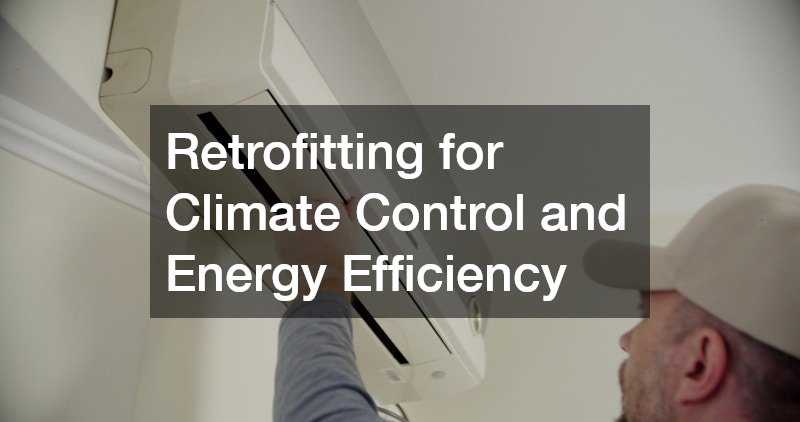
For homes that rely on aging radiant baseboards or outdated central ductwork, achieving precise temperature control in a specific bedroom can be nearly impossible. To resolve stubborn hot or cold spots in a dedicated nursery or finished attic playroom, consider investing in a modern mini split installation. These ductless, zoned climate control systems allow you to set an exact, independent temperature for your child’s room without forcing your main HVAC system to run continuously. This hyper-targeted approach guarantees an ideal sleep environment for your baby while optimizing your overall household energy consumption.
Overhauling the Electrical and Mechanical Systems
Ensuring Your Core Utilities Can Handle a Growing Household
A growing household places unprecedented demands on a home’s underlying mechanical and electrical systems. Before children arrive, your daily power usage might be limited to standard appliances, entertainment systems, and lighting. Once a baby enters the home, your utility usage transforms completely, driven by near-constant laundry cycles, high-draw bottle sterilizers, continuous bottle warmers, white noise machines, and specialized baby monitors operating around the clock.
If you purchase an older, charming property, the existing electrical infrastructure may be severely outdated. Running modern, high-draw appliances on an old 60-amp or 100-amp panel with ungrounded outlets is a significant safety hazard.
Before you begin decorating the nursery, hire licensed, local electricians to thoroughly inspect your service panel, replace any outdated knob-and-tube wiring, and install child-safe Tamper-Resistant Outlets (TROs) throughout the home. Ensuring your kitchen, bathrooms, and laundry areas are fully protected by modern Ground Fault Circuit Interrupter (GFCI) breakers is an absolute necessity to prevent accidental electrical shocks once curious toddlers begin crawling and exploring.
Physical safety updates must also include a modern, bulletproof early detection network. Do not rely on a few old, battery-operated smoke detectors stuck carelessly to the hallway ceilings.
Take the time to design and install a comprehensive web of interconnected fire alarms and carbon monoxide detectors on every level of your home, paying special attention to placing units directly inside and immediately outside all bedroom doors. Interconnected alarms ensure that if a hazard triggers a sensor in a remote basement or kitchen, every single alarm throughout the house sounds simultaneously. This house-wide alert system gives you the vital, life-saving seconds needed to safely wake up, secure your children, and evacuate the property during a nighttime emergency.
Embracing the Transition with Confidence

Cultivating Patience in Your Forever Home
As you step across the thresholds of marriage, homeownership, and parenthood, remind yourself that perfection is an illusion. It is incredibly easy to fall into the psychological trap of believing that your first home must be fully renovated, perfectly decorated, and entirely organized before you can welcome a child. This unrealistic standard only generates unnecessary marital tension and siphons away the financial liquidity that provides true security during parental transitions.
- Prioritize Structural Integrity Over Aesthetics: A dry basement, a sound roof, and a safe electrical system are infinitely more valuable to a newborn than custom paint colors or high-end quartz countertops.
- Take Renovations in Phases: Accept that cosmetic upgrades can happen slowly over time. Living in a home for a year or two helps you understand how your family actually utilizes the space before you commit to expensive, permanent alterations.
By focusing your initial resources on baseline safety, energy efficiency, and financial stability, you build a resilient home base that reduces parental anxiety. The daily routines of parenting will naturally shape how your property evolves. A spare bedroom may transition from a home office to a nursery, and eventually into an active homework station. Embrace this evolution with patience and flexibility, knowing that the structural safety and financial security you established early on will protect and comfort your family for years to come.
Embarking on the concurrent journeys of marriage, buying a home, and preparing for parenthood is an extraordinary adventure that lays the foundation for your family’s future legacy. While the sheer volume of choices and financial commitments can feel daunting, approaching these milestones with a clear, unified strategy transforms potential stress into a shared, empowering experience. Your wedding, your house, and your children are not competing interests; they are successive building blocks of the life you are purposefully creating together.
By keeping your wedding expenses balanced, partnering with local financial and real estate specialists, and focusing your home preparation on structural safety, energy efficiency, and smart utility upgrades, you bypass the common friction points that derail many young couples. A home is far more than an investment portfolio or a collection of beautifully styled rooms; it is a living sanctuary where your children will take their first steps and your family will share its most meaningful memories. Step forward into this new chapter with confidence, communication, and clear priorities, ready to enjoy the secure, thriving home environment you have purposefully built from the ground up.